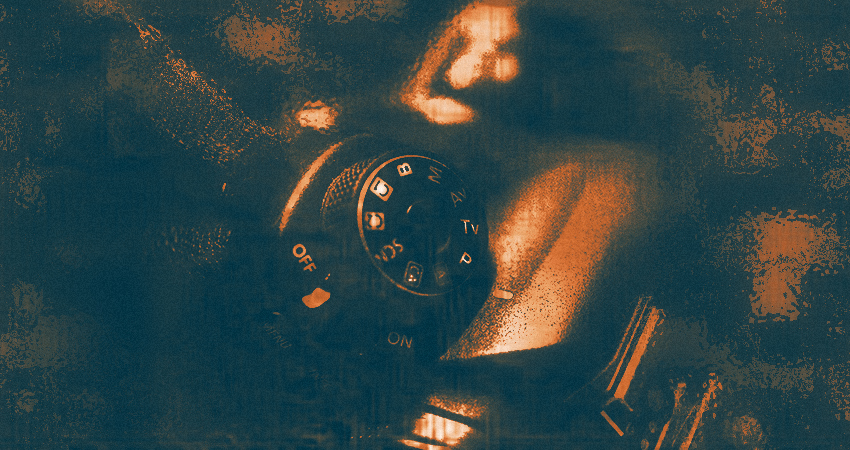
Years ago I bought my first DSLR camera. These cameras can operate in manual or automatic mode. Being a newbie to the world of photography, mine stayed in automatic mode for quite some time. The photos were fine… but I hadn’t even scratched the surface of the device’s capabilities.
I bought an online course and eventually attended an in-person lesson by a long-time professional photographer. He spent time with each of us to gain a sense of what we knew and how he could help. He told me that once I understood how the settings work together… once I knew how to shape light, depth, motion, and intent… the camera would open up to me. The work would become my own.
Creative life in general seems to work this way. In my years leading creative and creative professionals, I’ve come across individuals who stay in a sort of automatic state in their creative expressions, without realizing it. Never scratching the surface of their own creative potential.
The Automatic Creator
What does a creator look like in automatic mode versus manual mode? The idea for this article came to me many years ago, but I’ve sat on it until now. As fate would have it, we’ve since witnessed something that provides a perfect analogy for this question: Artificial Intelligence.
Anyone in a creative career has felt AI creeping into our day-to-day work lives. If you create work for in-house stakeholders, you may have been handed a piece of AI-generated “art” and asked to incorporate it into or even replace your own work. Beyond the fear of AI stealing creative jobs, creatives have a fundamental conflict with it: AI imitates creative thought but lacks the nuance and depth only a human being can bring to the creative table.
It’s easy to criticize AI while failing to see the similarities in ourselves. AI is ultimately a brain. Sure, it’s technological versus organic, but it’s a brain nonetheless. We criticize its work as stealing from human artists and not doing its own fresh, original work. And yet… possessing an organic brain doesn’t guarantee inspired creative work.
During my years leading designers, I’ve seen plenty of work done on autopilot: low-effort, uninspired, an easy payday. It’s become a priority of mine to point designers back to the basics! Time makes us feel like we’ve found some cheat code to creativity, that we can simply act on instinct and be innovative. To never sketch, brainstorm, or go through conceptual steps before creating the final output… this is running on automatic mode. It’s no more inspired than the work of an AI agent.
So… what mode are you operating under?
Flip the Switch
Every creative brain has settings. Your focus, your pacing, your creative process, your tolerance for pressure and the patterns you default to while under it, the way you receive and process feedback, the beliefs you carry from earlier failures… these are your aperture, shutter speed, ISO. Most people never learn them. They just create in automatic and wonder why the results feel boring, dated, and like more of the same.
Automatic mode works off of assumptions and foregoes curiosity and exploration. Manual mode takes in the needs, the elements at our disposal, and creates something with nuance and intent out of them.
If your creative work hasn’t felt exciting or challenging or fulfilling in a long time, pause and check your settings. Get back to basics and seek out inspiration and ideas. Try a technique you’ve never used before. Learn a new tool you’ve never explored. Seek out videos on design styles you can put to the test. Watch a documentary about an impactful creative mind at work. If you need to submit 3 concepts for a deliverable, explore three different tiers of creative risk with each one.
The moment you begin learning your own configuration, everything changes. You begin noticing your defaults instead of letting them run unchecked. That awareness puts your hands back on the controls.
Choose Manual
Your creative work becomes meaningful the same way a photograph does: through intentional choices. You understand your capabilities. You take on a creative challenge. You let curiosity take over. You stop reacting and start innovating. The work becomes truly your own again.
Automatic mode makes things easy and safe, but it does not make you a creator. Manual mode does.
On the next project you take on… choose manual mode. Rediscover the jolt of bringing something to life that could have only come from your unique human brain.
If this sparked something and you want to talk it through, reach out to me. I always respond.
More of My Thoughts