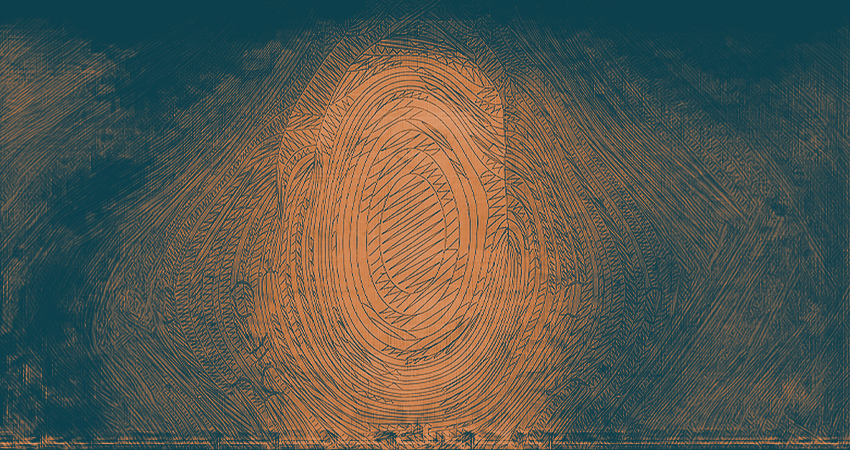
During gestation, as your limbs were forming, small pads developed along the palms of your hands and the bottoms of your feet. They are called volar pads. Inside the womb these pads were much larger, and as the rest of your hands grew, creases began forming at each point of articulation. During that time, you also developed the layers of your skin. As you moved around in the womb, your forming hands rubbed against every surface around you. That friction began shaping the skin on your palms. Around ten weeks into gestation, ridges began to form. The randomness of your movements and the unique nature of each point of contact created distinct patterns. Those friction ridges are what you now call fingerprints. Thanks to the combination of your genes and the friction inside the womb, the patterns on your hands are absolutely unique.
Friction was part of what formed you.
How Friction Shapes Creative Identity
Creative work is shaped the same way. Every challenge, critique, tension, and unexpected pressure becomes a point of contact. Those moments press into you. They carve patterns. They leave marks. And over time, they create something distinct. You are not defined by how smooth your path has been. You are defined by the patterns that formed when things pushed back.
Fingerprints in the Creative Process
In your creative life, friction shows up through uncertainty, resistance during collaboration, painful critiques, failed ideas, creative blocks, impostor syndrome, and the pressure of expectations. These moments feel abrasive. They can make you doubt yourself. But they are also the very moments that shape the creative identity you begin to carry into rooms, teams, and opportunities.
Every creative person carries their own version of friction ridges. Maybe yours come from always being compared to someone else when you were younger. Maybe they come from being told to play small. Maybe they formed when a project fell apart or when a boss dismissed work you believed in. These things don’t just happen to you. They leave patterns on you. Patterns that affect how you take feedback, how you show up to collaboration, how you respond to pressure, and how confident you feel when presenting your ideas.
The goal is not to avoid friction. It is to recognize the marks it left and understand how they shaped your voice. When you know the patterns, you can choose how you respond instead of reacting from old wounds. Awareness becomes a kind of ownership. You stop letting yesterday’s pressure define tomorrow’s work.
Let Friction Refine You
Friction made you. Not in a poetic sense… in a literal one. And creatively, it still does. The question is whether you let old patterns limit you or whether you learn from them and grow past them. Notice the places where you tense up. Notice the instincts that make you defensive or doubtful. Notice the moments where your confidence dips faster than the situation deserves. These are fingerprints from earlier encounters with friction.
You are allowed to reshape how you carry them.
Your best work will come from understanding the patterns that formed you and choosing not to be ruled by the ones that no longer serve you. Let friction refine you instead of define you. If this resonated and you want to talk it through, reach out to me. I always respond.
More of My Thoughts